(This is a contributed guest column. To be considered as an MJBizDaily guest columnist, please submit your request here.)

Janet Jackim (Courtesy Photo)
To register or not to register? That is the question.
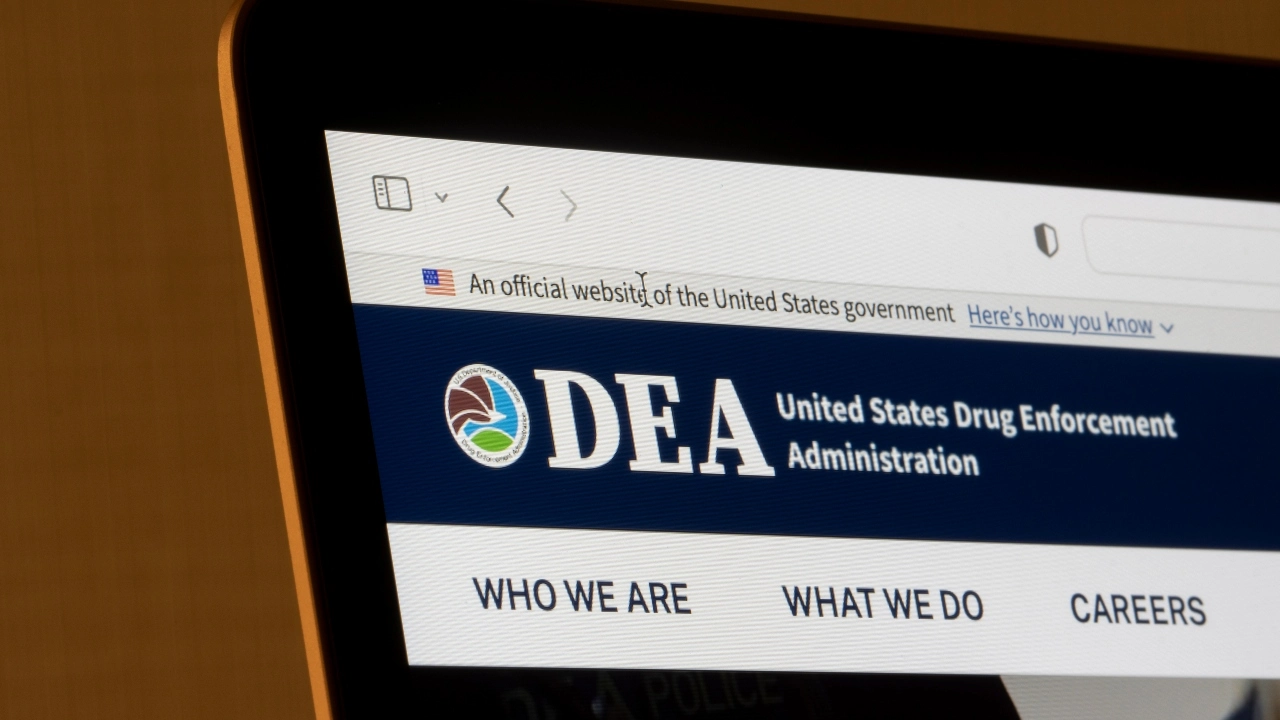
State-licensed medical marijuana licensees have until June 22 to register with the U.S. Drug Enforcement Administration to put their businesses under the new federal Schedule 3 framework.
Following the April 23 federal rescheduling order, the DEA called on state-licensed medical marijuana cultivators, producers, distributors, transporters, wholesalers and retailers to register with the agency.

A timely registration provides a limited “safe harbor,” allowing the operator to continue its state-licensed medical marijuana operation while DEA reviews its application. Failure to register may subject the licensee to federal enforcement actions.
It may be a meaningful opportunity, but licensees should not mistake registration for a guaranteed benefit or a simple administrative filing. The clearest benefit is the limited safe harbor while DEA reviews an application. Other potential advantages, including tax relief, improved access to capital and greater comfort among banks, insurers and business partners, remain fact-specific and uncertain.
What are the risks and benefits of registering with the DEA?
The tax issue will get the most attention, and understandably so. Registration may strengthen the argument that a medical marijuana company can take ordinary business deductions that have long been unavailable under IRS Section 280E.
For many licensees, that could be a substantial benefit, but it will depend on the licensee’s business, its medical versus adult-use activity, its tax position and how federal agencies administer the new framework.
Registration also comes with real burdens. There are ongoing federal and state compliance obligations, product testing, onsite inspections, extensive disclosure requirements and a $794 annual fee.
Applicants must provide business and personal contact information, tax identification information, state license details, supplier information, ownership history, security measures and standard operating procedures covering ordering, receiving, inventories, storage, security, dispensing, delivery, distribution, destruction and disposal, theft and loss reporting, due diligence and record keeping.
That is a lot of information to hand to federal regulators. Some of it may be highly sensitive, including supplier relationships, contracts, operating procedures and information about owners and managers.
Licensees should consider whether they are comfortable making those disclosures. They should also consider whether any of that information could become subject to Freedom of Information Act requests or whether competitors or enforcement agencies could eventually see more than the applicant intended.
Do you have to disclose whether you participated in the legacy cannabis market?
Disclosure concerns become even more complicated when the application turns to one of the industry’s historic and practical realities: legacy-market history.
The DEA asks whether the licensee, its suppliers, handlers, officers, partners, shareholders or proprietors have ever been involved in manufacturing, distributing or dispensing unregistered controlled substances. No time limit appears to be stated.
For an industry partially built by people who entered cannabis before state-licensed markets existed, that is not an innocent question. Applicants may be forced to choose between disclosing history they would rather not put before federal regulators and omitting information the DEA is asking for directly.
The same caution applies to licensees who handle both medical and adult-use marijuana. Registration does not legalize marijuana federally, and adult-use operations remain illegal under federal law, even if licensed by a state. Medical marijuana licensees with recreational activity should think carefully about what they are disclosing and what they may be inviting the DEA to inspect.
What could DEA registration signal for the industry’s future?
More broadly, registration may signal the beginning of a more traditional controlled-substances framework for medical cannabis. Schedule 3 substances typically operate under federal oversight involving U.S. Food and Drug Administration-approved products, clinical testing, prescriptions and distribution through licensed health care providers and pharmacies.
Subscribe to the MJBiz Factbook
Exclusive industry data and analysis to help you make informed business decisions and avoid costly missteps. All the facts, none of the hype.
What you will get:
- Monthly and quarterly updates, with new data & insights
- Financial forecasts + capital investment trends
- State-by-state guide to regulations, taxes & market opportunities
- Annual survey of cannabis businesses
- Consumer insights
- And more!
If medical marijuana is pushed in that direction, today’s registration decision could become the first step into a much more formal federal regulatory regime.
For cannabis businesses, the question is whether the limited safe-harbor benefit and other potential advantages outweigh the disclosure, compliance and enforcement risks.
The deadline is short. The implications are significant.
Janet Jackim is a seasoned business attorney licensed in Arizona and Colorado whose practice focuses on cannabis transactions, litigation, commercial real estate, mergers and acquisitions and litigation involving the foregoing.